


If you’ve noticed your teeth looking a little more crowded or your bite feeling different than it used to, you’re not alone. Teeth shifting over time is a common experience for adults, even for those who once had perfectly straight smiles. Our mouths change as we age, and several factors can gradually move teeth out of alignment. The good news is that understanding the causes can help you take steps to protect your smile and explore solutions if shifting has already occurred.
Why Do Teeth Shift as We Age?
Teeth are not fixed in place like tiles in cement. They are supported by bone, ligaments, and surrounding tissues that can change over time. Natural aging plays a role as bone density decreases and the jaw subtly changes shape. These small shifts can lead to crowding, spacing, or bite changes, particularly in the lower front teeth.
In addition, everyday habits and oral health conditions can contribute to gradual movement. Because these changes happen slowly, many people don’t notice them until the difference becomes more obvious.
Common Causes of Teeth Shifting
Several factors may cause teeth to shift over the years. Some of the most common include:
Tooth loss
When a tooth is lost and not replaced, neighboring teeth may drift into the empty space. This movement can affect alignment and alter your bite.
Gum disease
Periodontal disease weakens the structures that support teeth, including bone and connective tissue. As support diminishes, teeth may loosen and shift.
Teeth grinding and clenching
Chronic grinding or clenching places excessive pressure on teeth and the jaw. Over time, this force can cause teeth to move and wear unevenly.
Natural aging and jaw changes
As the jawbone changes with age, subtle shifts can occur in tooth position. Lower front teeth are especially prone to crowding.
Not wearing retainers after orthodontic treatment
After braces or aligners, retainers are essential to maintain results. Without consistent retainer use, teeth may gradually return toward their original positions.
How Shifting Teeth Can Affect Your Oral Health
Shifting teeth can do more than change your smile’s appearance. Misalignment may create areas that are harder to clean, increasing the risk of cavities and gum disease. Bite changes can also lead to uneven tooth wear, jaw discomfort, and strain on surrounding muscles.
Addressing shifting early can help prevent these complications and support long-term oral health.
Treatment Options to Correct Shifting Teeth
If your teeth have shifted, several treatment options may help restore alignment and function. A dentist can recommend solutions based on your needs and goals.
Invisalign clear aligners
Clear aligners gradually move teeth into proper alignment using a series of custom trays. They are removable, discreet, and popular among adults seeking a subtle orthodontic solution.
Braces
Traditional braces remain a reliable option for correcting more complex alignment issues. Modern designs are more comfortable and less noticeable than in the past.
Veneers
For patients with minor shifting or spacing concerns, veneers may improve the appearance of alignment by reshaping and covering the front surfaces of teeth.
Early evaluation allows your dentist to determine which option is most appropriate and to create a personalized plan. A healthier, more confident smile is always within reach with the right care and guidance.
About the Practice
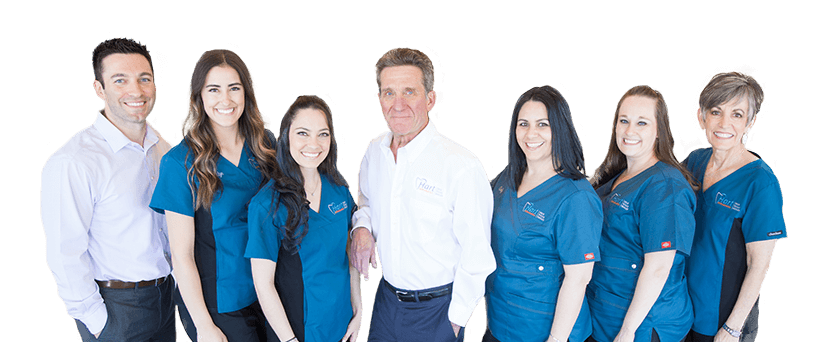
Hart Orthodontics provides orthodontic care for patients of all ages, with a focus on personalized treatment plans that support both function and aesthetics. Dr. James A. Hart offers solutions such as braces and clear aligners for adults experiencing shifting teeth or bite changes. Our team is committed to creating comfortable, supportive experiences while helping patients achieve lasting, healthy smiles.
Call us at (817) 645-2432 or request an appointment online.